The bar for CEO communications has been raised considerably in the past 18 months, notably by Sam Altman and Mark Zuckerberg.
Altman was famously fired by OpenAI in November 2023. Less than an hour later, he started tweeting his version of the event to 2 million followers, seizing control of the narrative in the process. He was rehired within days.
Zuckerberg began last year posting Instagram reels to announce Meta’s major product launches, including a new operating system and AI investments.
Both examples constitute what PR maven Lulu Meservey has dubbed “going direct” a comms strategy that leverages social media and bypasses the traditional gatekeepers in the mainstream media.
It’s hard to overstate just how radical of a departure it is from the traditional playbook of the past several decades. That model consists of a) leaking big news to the New York Times or Wall Street Journal and then booking TV time on CNBC or Bloomberg.
The tactic of going direct is new and nascent, but I have no doubt it will come to be much more common because it is both efficient and effective. In part that’s because it gives companies more control over the messaging and the media covers in any way.
It won’t happen overnight, of course, but any CEO who cannot go direct both by writing online or picking up an iPhone to record a TikTok-style video will be at a disadvantage.
You cannot wait for a crisis to learn how to write and drop videos online, much less build a base of followers.
“Life moves pretty fast,” as Ferris Bueller famously said.
You tend to see more of this from West Coast executives, particularly in tech and venture capital than you do on the East Coast, where CEOs are more conservative.
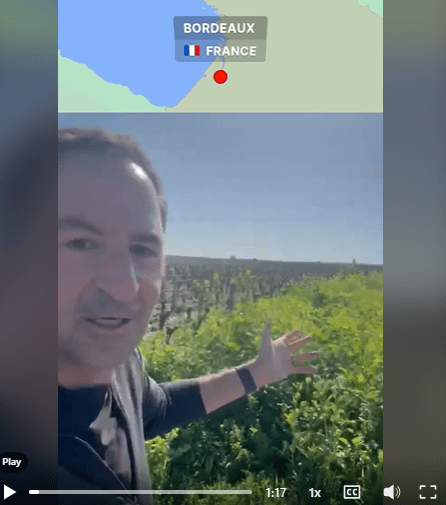
There are examples, however. Blackstone President Jon Gray posts selfie-style videos talking about earnings as well as sharing his thoughts from his morning runs all over the world.
His last video was a compilation of a two-week stretch that included running in Bordeaux, a cab ride in London, running in Central Park, meetings in Switzerland and Milan and running along the Tiber River in Rome, which he noted that he had first visited 30 years ago for his honeymoon. This time he said he was more focused on the entrepreneurs he was meeting.
Gray has 205,000 followers on LinkedIn. I think that’s not just because he posts but because he posts good content. He usually leverages the videos to convey real information about who he is meeting with and the firm’s priorities.
Gray is unusual, but other firms are taking note. Everyone understands that the traditional model of disseminating information no longer work as well in a world of higher paywalls and less reach.
Moreover, Gen Z is not reading the major papers or newscasts.
You need to fish where the fish are and in the attention economy that is increasingly online.
 Ted Merz